
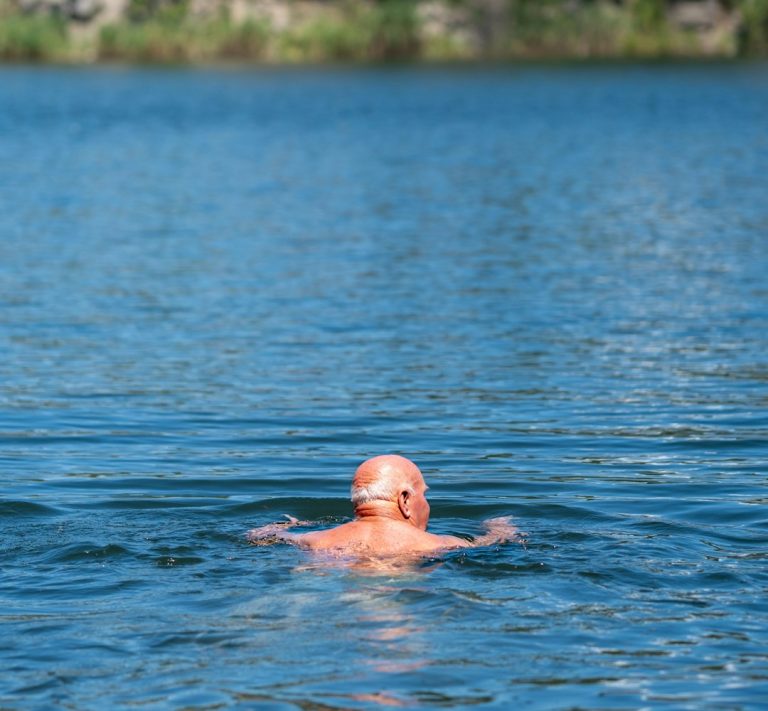
Open water swimming is never the same twice. The water shifts, the light changes, the wildlife moves, and your body reacts differently as the seasons roll on. That is part of the appeal. It keeps you honest, keeps you learning, and keeps every swim feeling like its own small adventure. The trick is understanding what changes through the year and how to adapt so you stay safe, comfortable and confident.
Spring: Waking Up the Body Again
Spring can feel like a fresh start. The days stretch out, the sun climbs higher, and the water begins to lose its winter bite. Even so, early spring temperatures can still shock the system. Your breathing may feel tight, your hands may go numb quickly, and your pace might be slower than you expect.
How to adapt:
- Ease back in with shorter swims and build gradually.
- Give yourself time to acclimatise before pushing distance.
- Expect your stroke to feel rusty and let it settle naturally.
- Keep warm kit ready for after your swim. The air can still be chilly.
Spring rewards patience. Once your body remembers what it is doing, the season becomes a joy.
Summer: Comfort, Confidence and Longer Adventures
Summer is when most swimmers feel at their best. The water is warmer, the air is pleasant, and you can stay in for longer without worrying about cold stress. It is also the season when people tend to push their distances, try new routes and enjoy the social side of swimming.
How to adapt:
- Make the most of the longer days and explore new spots.
- Stay aware of algae blooms in lakes and reservoirs.
- Keep hydrated. Warm weather can mask how hard you are working.
- Use the calmer conditions to practise technique and pacing.
Summer is the season that builds your confidence. It is also the time when you can bank some of your best fitness for the year.
Autumn: The Slow Slide into Cold Water
Autumn is a beautiful season to swim in. The water is often clear, the colours around you shift every week, and the crowds thin out. The challenge is the steady drop in temperature. It can catch you out if you are not paying attention.
How to adapt:
- Track water temperatures so you know what to expect.
- Shorten your swims as the cold creeps in.
- Layer up before and after your swim to avoid the post swim shivers.
- Accept that your pace will drop. Cold water changes everything.
Autumn is about adjusting expectations and enjoying the atmosphere. It is a season for mindful swimming rather than chasing distance.
Winter: Cold Water in Its Purest Form
Winter swimming is not for everyone, but for those who enjoy it, it offers a clarity and calm that is hard to find anywhere else. The water is sharp, the air is crisp, and the experience becomes more about sensation than speed.
How to adapt:
- Keep swims very short. Time in the water matters more than distance.
- Focus on controlled breathing as you enter.
- Have a warm, efficient changing routine ready.
- Never swim alone. Winter conditions demand respect.
Winter teaches you to listen to your body. It also reminds you that open water swimming is as much about mindset as it is about physical ability.
The Year as a Whole
Swimming through the seasons gives you a deeper connection to the water. You learn how your body responds, how the environment shifts, and how to adapt without fighting the conditions. Each season brings something different. Spring gives you momentum. Summer gives you freedom. Autumn gives you reflection. Winter gives you resilience.
If you embrace the changes rather than resist them, you will find that open water swimming becomes a year round rhythm that shapes your fitness, your confidence and your sense of calm.